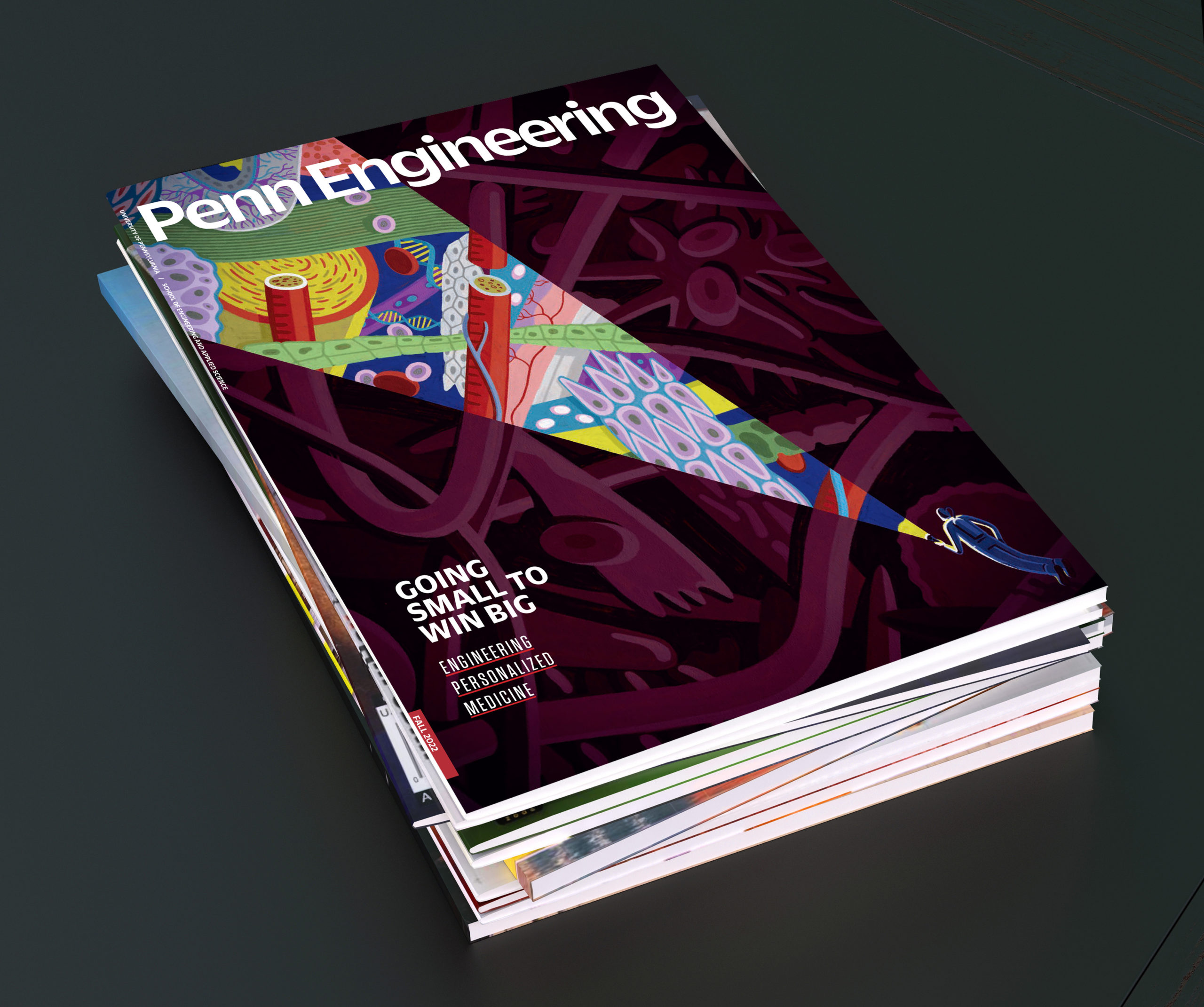
Going Small to Win Big: Engineering Personalized Medicine
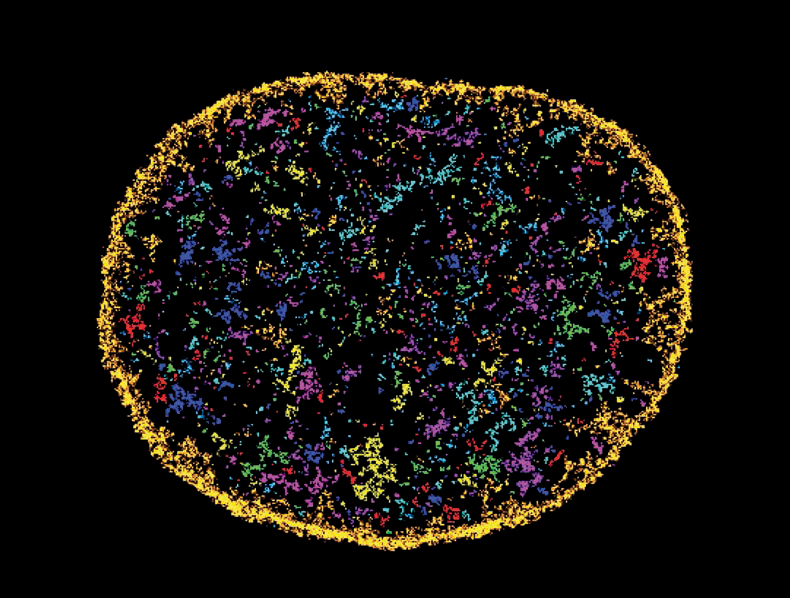
While we can’t shrink surgeons down to the size of a neuron, engineers are rapidly advancing technologies that operate at scale with cells and their even smaller components. Technology at the micro- and nanoscales opens up a new frontier of opportunities when it comes to fighting disease and increasing the quality of human health.

From the Dean: Engineering the Future of Health
Creating a future healthcare system that is innovative, sustainable and equitable will not happen without engineers, and Penn Engineering, in partnership with Penn Medicine, is uniquely positioned to be a leader in addressing this challenge.

The Big Picture: Music in the Time of COVID
How can musicians gather together for live performances when the usual methods employed to combat the spread of respiratory viruses like COVID-19 (masks, plexiglass dividers and of course… no gathering) cannot be used? In 2020, The Philadelphia Orchestra sought the expertise of Penn Engineers Paulo Arratia and Douglas Jerolmack to answer this question.

Breakthroughs: Microrobots + More
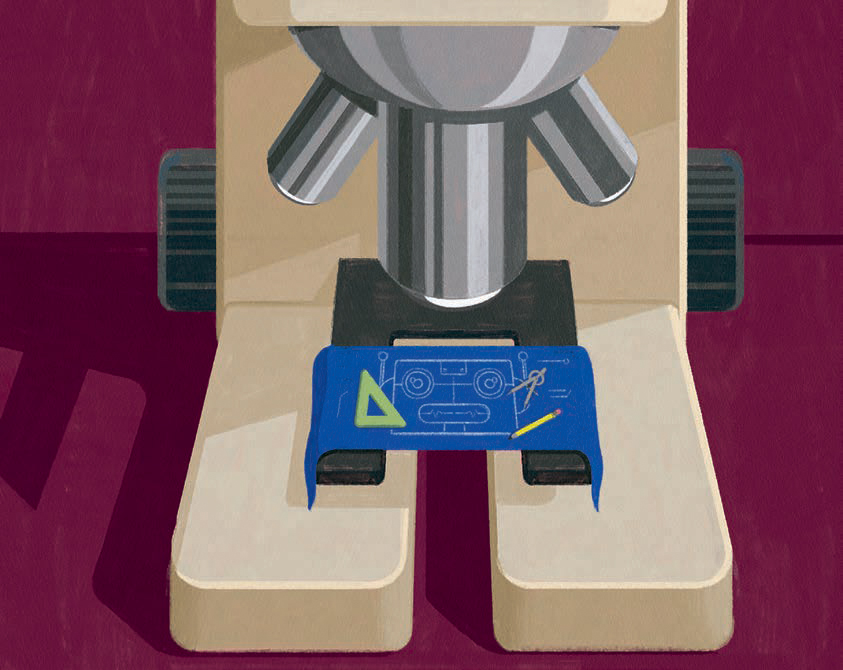
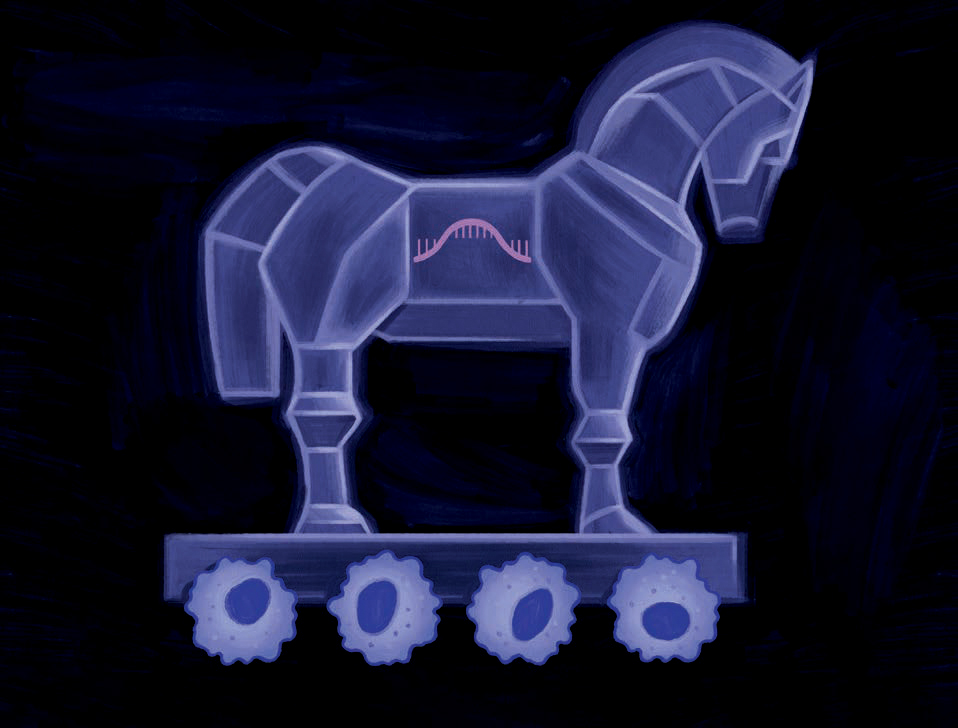
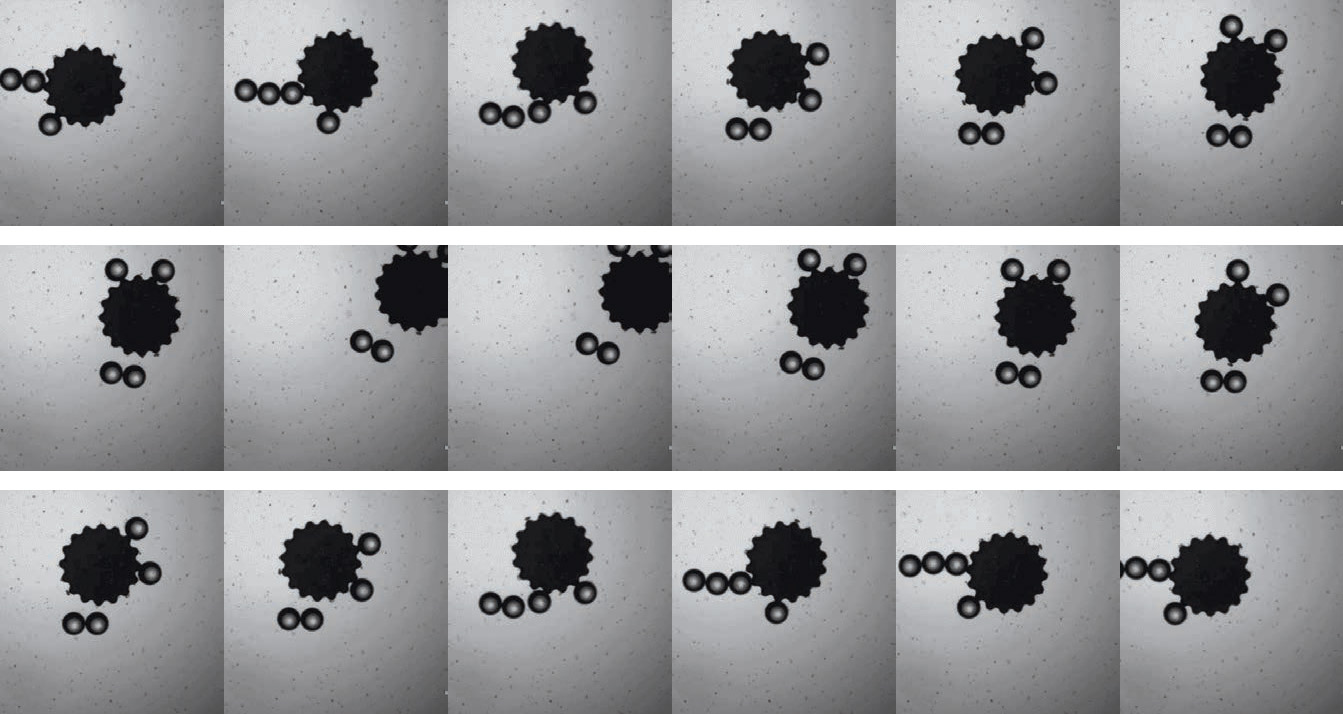
Controlling microscopic processes is inherently challenging. The everyday tools we use to manipulate matter on the macroscale can’t simply be shrunk down to the size of a cell, and even if they could, the physical forces they rely on work differently when their targets are measured in nanometers. But while it’s no easy feat, attaining this type of control would pay enormous dividends.

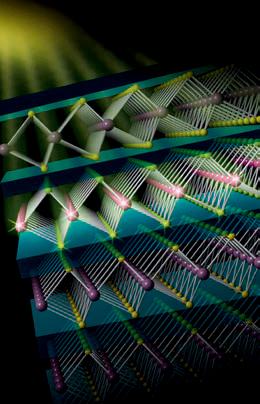
In Question: How will photonics change the world?
Moore’s Law has been gospel in the electronics world for more than half a century, but it may be nearing its end, says Deep Jariwala. With state-of-the-art transistors already smaller than a hundred silicon atoms across, it will eventually be impossible to go any smaller, creating a minor crisis for engineers: If silicon is already pushed to its limit, how can they improve upon the performance of electronics in the future?

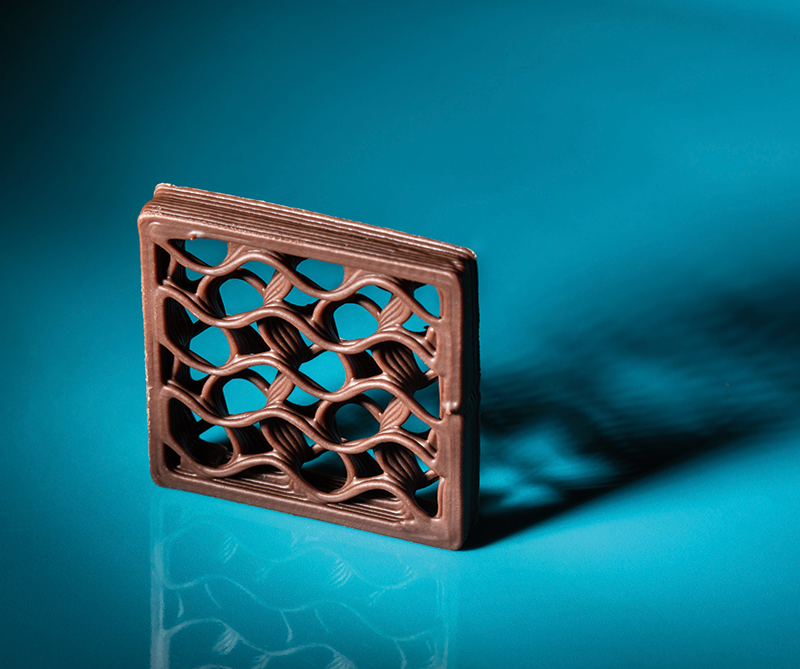
In Practice: Sculptural Sweets
In a few short decades, 3D printing has gone from unique to ubiquitous. It’s used nearly everywhere, from making toys and gadgets in classrooms nationwide to manufacturing new parts on the International Space Station. Ellie Weinstein (MEAM ’19) has a different venue in mind for this emerging technology, however: the kitchen.

Next-Gen Innovators
Postdoctoral fellows are an integral part of the success of any top-tier research university. While they are considered trainees who benefit from a full-time research experience and mentorship from investigators who are often at the forefront of their fields, they are also essential contributors to new research that advances their institution and positively impacts the world.

UPGRADE: The Art and Science of Video Game Development
In today’s ever-expanding world of content and entertainment, video games have taken center stage. Penn Engineering students are uniquely equipped to navigate the modern gaming industry as their training in the Digital Media Design (DMD) program prepares them to approach game development with technical rigor and creative insight.

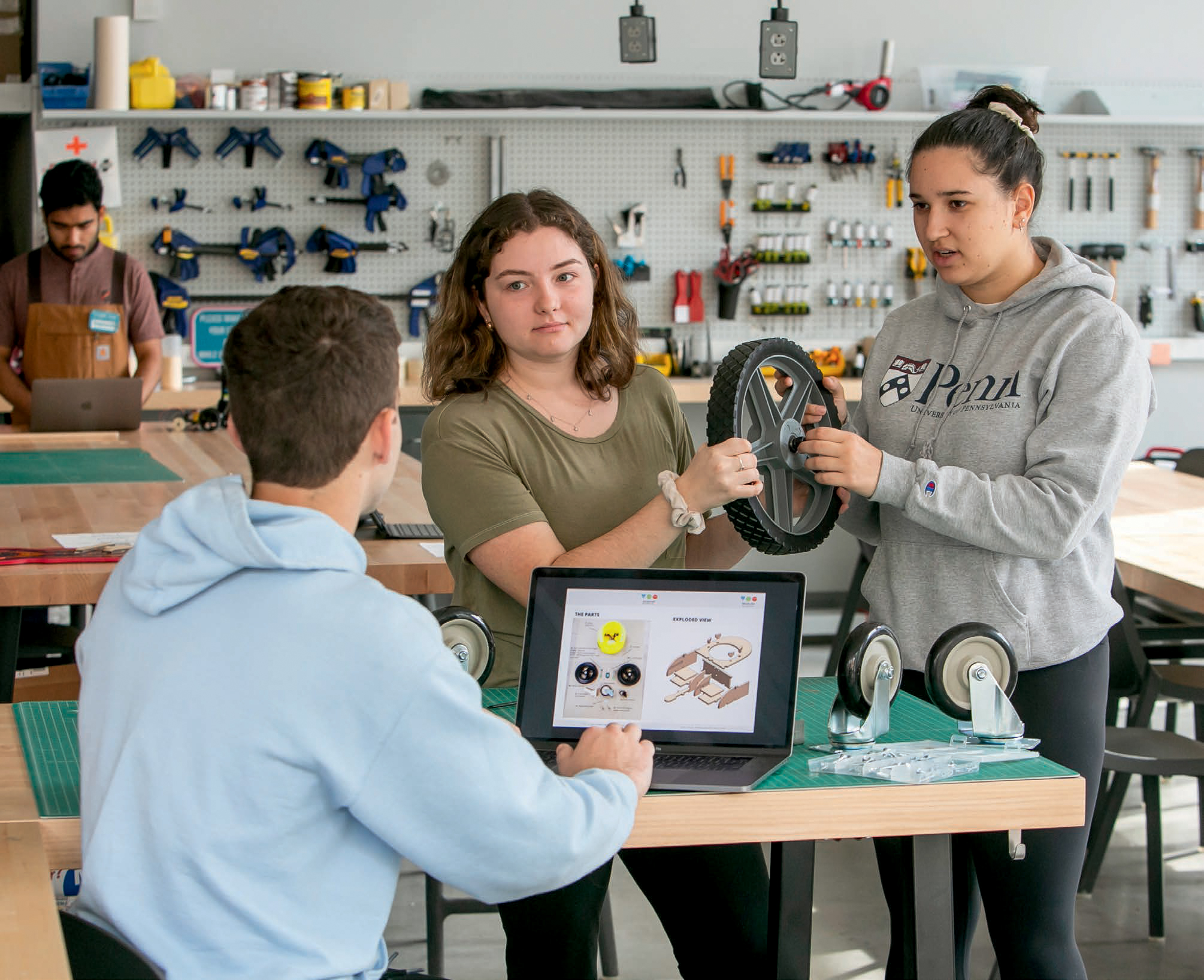
On Our Camera Roll: Studios @ Venture Labs
The Studios @ Venture Labs, a collaboration between Penn Engineering and Wharton, are a collection of workspaces and labs located in Tangen Hall that allow Penn students interested in entrepreneurship and innovation to access digital and analog fabrication technologies in order to rapidly make their ideas a reality.
School News Fall 2022
Penn Engineering’s Fall 2022 News highlights a whirlwind of innovation, education and community, from hosting the global ICRA robotics conference and unveiling the new REV7 electric racecar, to launching an online MSE-DS Data Science degree, receiving a $3M NSF grant for data-driven soft-materials research and expanding online program scholarships.

New Faculty Fall 2022
Over the last year, Penn Engineering welcomed 10 new faculty across Bioengineering, Chemical and Biomolecular Engineering, Computer and Information Science, Materials Science and Engineering, and Mechanical Engineering and Applied Mechanics.

In Memoriam Fall 2022
Remembering Max Mintz, a long-time professor in the Department of Computer and Information Science, who passed away on April 18, 2022, at the age of 79.

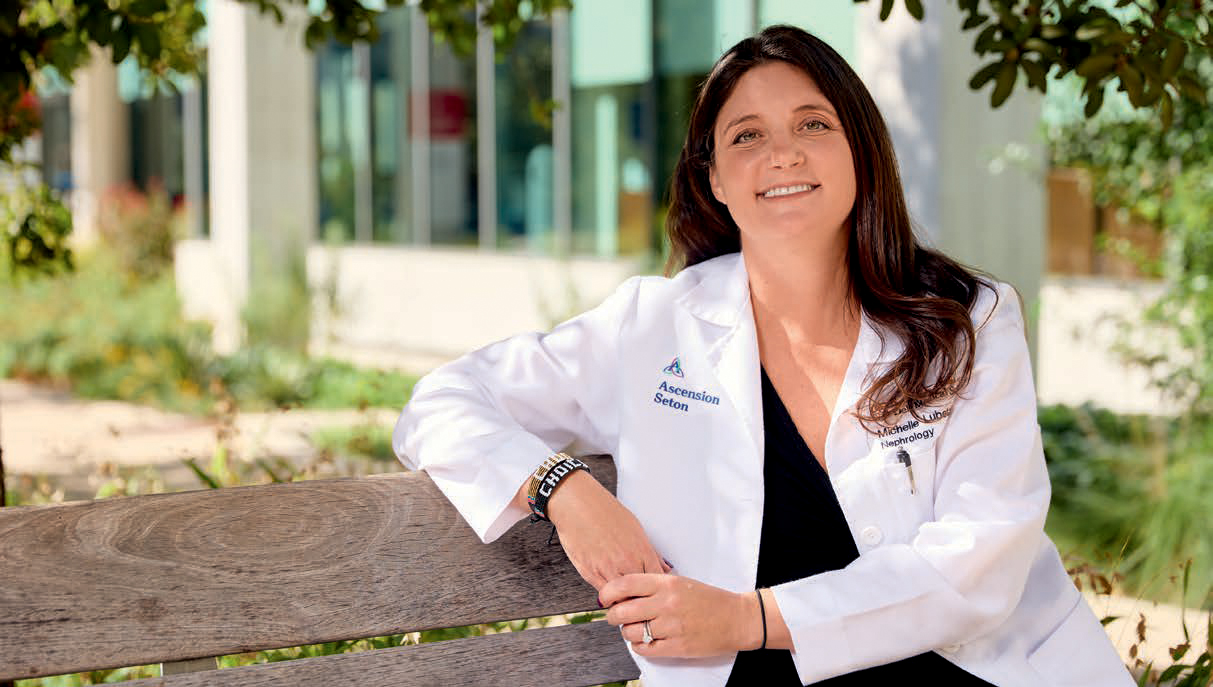
Why I Give: Michelle Lieberman Lubetzky (BE’01)
Dr. Michelle Lubetzky graduated from Penn in 2001 with a bachelor’s in Bioengineering. After completing her degree, she went on to medical school at Albert Einstein College of Medicine of Yeshiva University and completed both a residency and a fellowship in Nephrology and Transplantation at New York Presbyterian Weill Cornell Medical Center.